|
1) First successful hydrothermal emerald in
1960
2) Method
a) Most closely
approximates nature's process with large well-formed crystals.
b) Steel autoclave used
(similar to pressure-cooker)
c) Crystals grown in
sealed environment with very high temperature and pressure
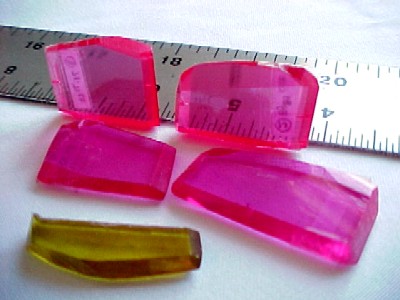
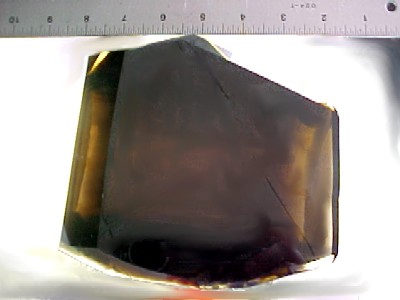
d) Seed plates of
desired material hung in upper portion of vessel with powdered material
placed in the bottom.
e) Vessel is partially
filled with water and sealed with temperature and pressure increased.
f) Supersaturated
solution forms, rises and deposited on seed plate.
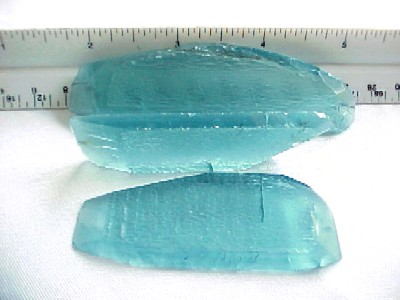
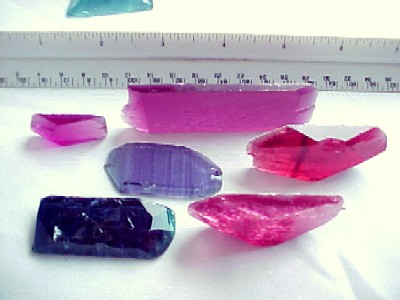
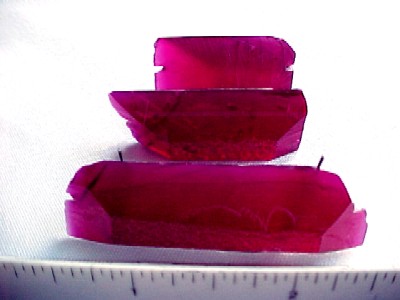
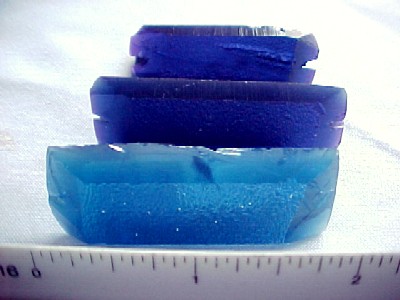
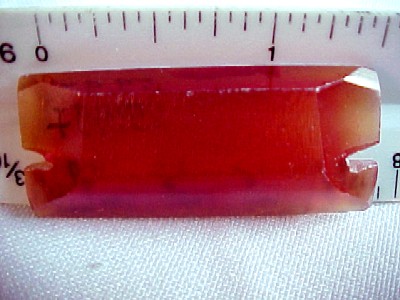
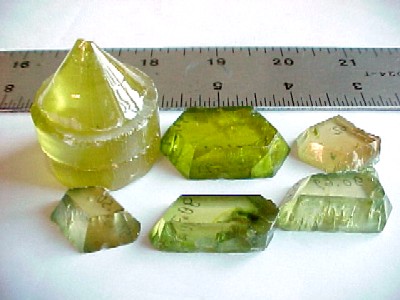
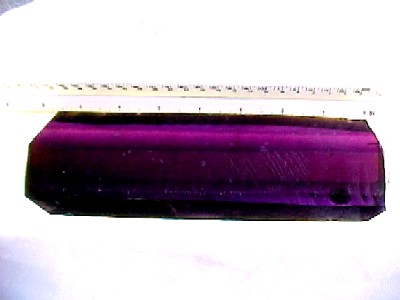
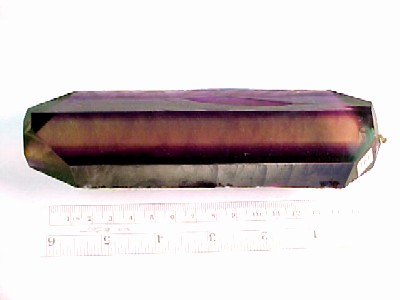
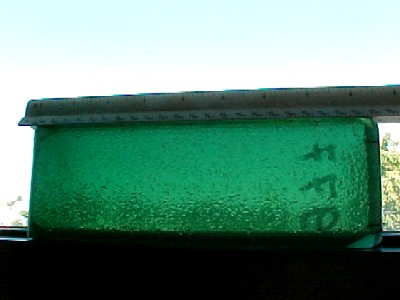
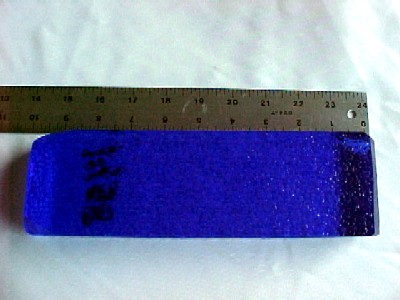
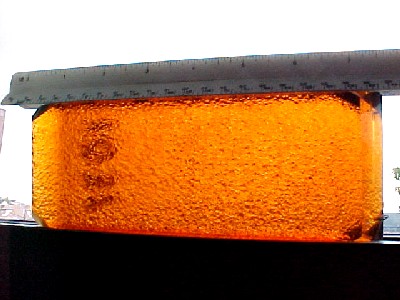
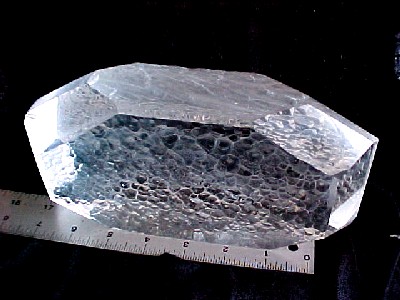
g) Crystals 10-18
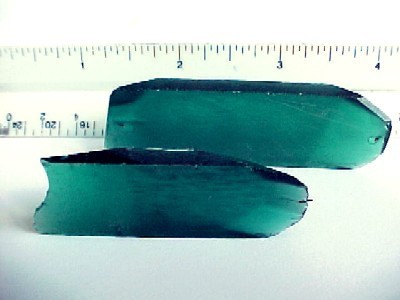
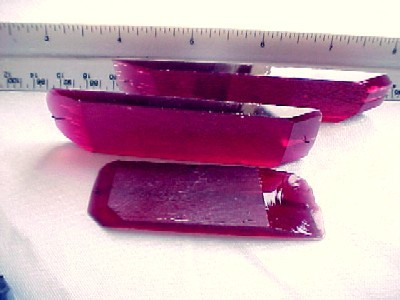
inches in length.
h) 50-80 days.
3) Characteristic inclusions
a) Cottony inclusions.
b) Conical inclusions.
c) Straight, uniform,
parallel growth structures.
d) Seed plates.
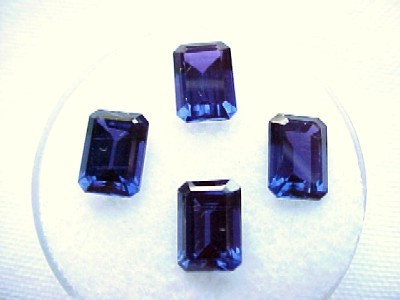
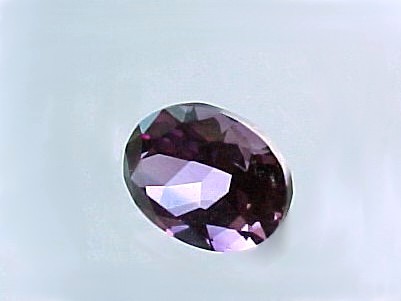
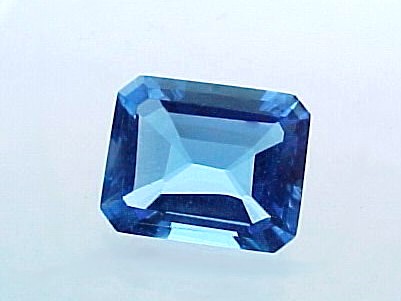
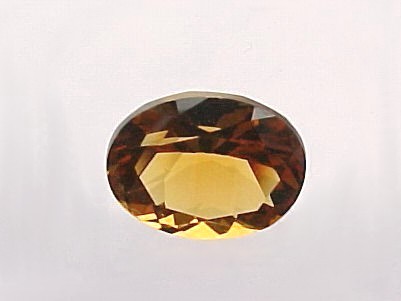
4) Materials synthesized (expensive)
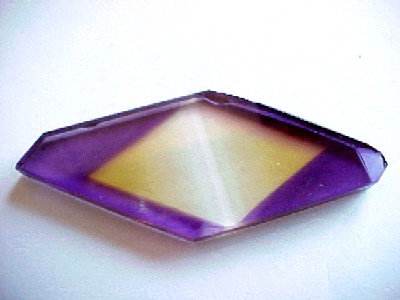
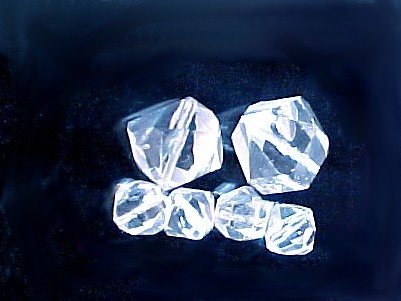
a) Synthetic quartz.
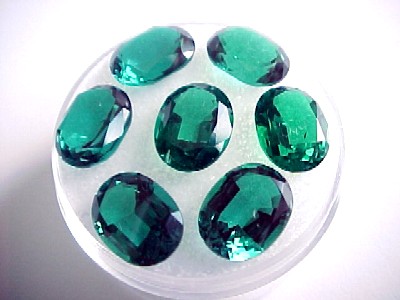
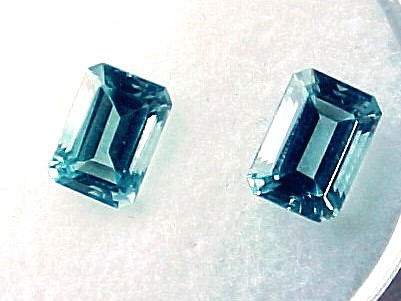
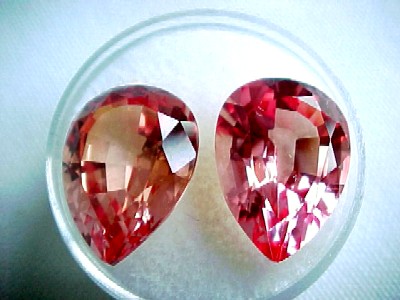
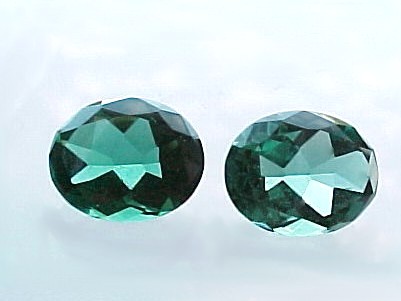
b) Synthetic emerald.
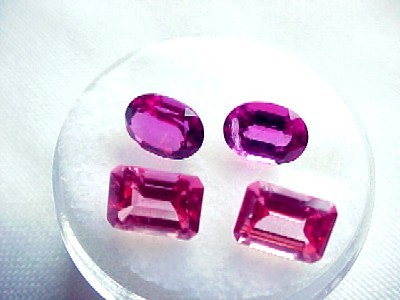
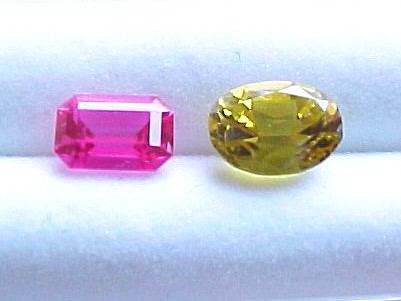
c) Synthetic
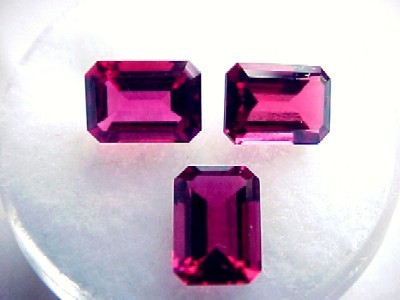
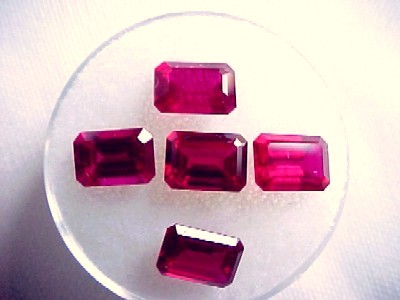
ruby. |
1) 1960년 열수 취옥을 처음으로 성공
2) 방법
a) 자연과정에 가장
근접하고 크게 잘 발달된 결정들을 지님
b) (압력 제과기를 닮은)
강철압력 솥을 사용함
c) 아주 높은 온도와
압력하의 밀봉된 환경에서 결정들이 성장함
d) 원하는 재질의 종자
판들을 용기의 상부에 매달고 바닥에는 분말재료를 둠
e) 용기에는 부분적으로
물이 채워지며 온도와 압력이 증가하면 밀봉됨
f) 과포화 용액이
형성되어 올라가서 종자 판에 퇴적됨
g) 길이 10-18인치의
결정들
h) 50-80일 걸림
3) 특유의 내포물들
a) 면 부스러기같은
내포물들
b) 원추형상의 내포물들
c) 곧고 일정하며 평행한
성장구조들
d) 종자 판들
4) 합성되는 물질들 (비쌈)
a) 합성 석영
b) 합성 취옥
c) 합성 홍옥 |